HomeA Legacy Forged in Steel: 300 Years of the Aperam Gueugnon Site in France
A Legacy Forged in Steel: 300 Years of the Aperam Gueugnon Site in France
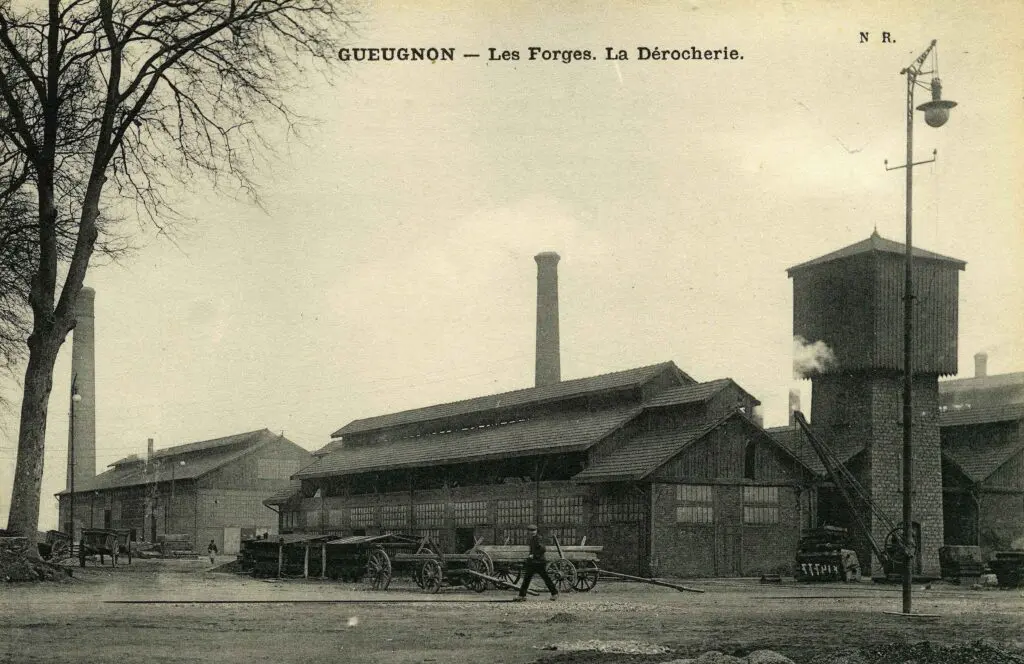
The year 2024 marks the 300th anniversary of the Gueugnon industrial site, a place whose history has been shaped by 15 generations of men and women.
The adventure began on May 29, 1724, when Jean-Hector de Fay, Marquis de La Tour-Maubourg, a decorated military general and Marshal of France, obtained a royal patent from King Louis XV to operate a forge and furnace there. He knew how to recognize the site’s potential thanks to the nearby forests for fuel and the Arroux river for water, both essential to the forge’s operation.
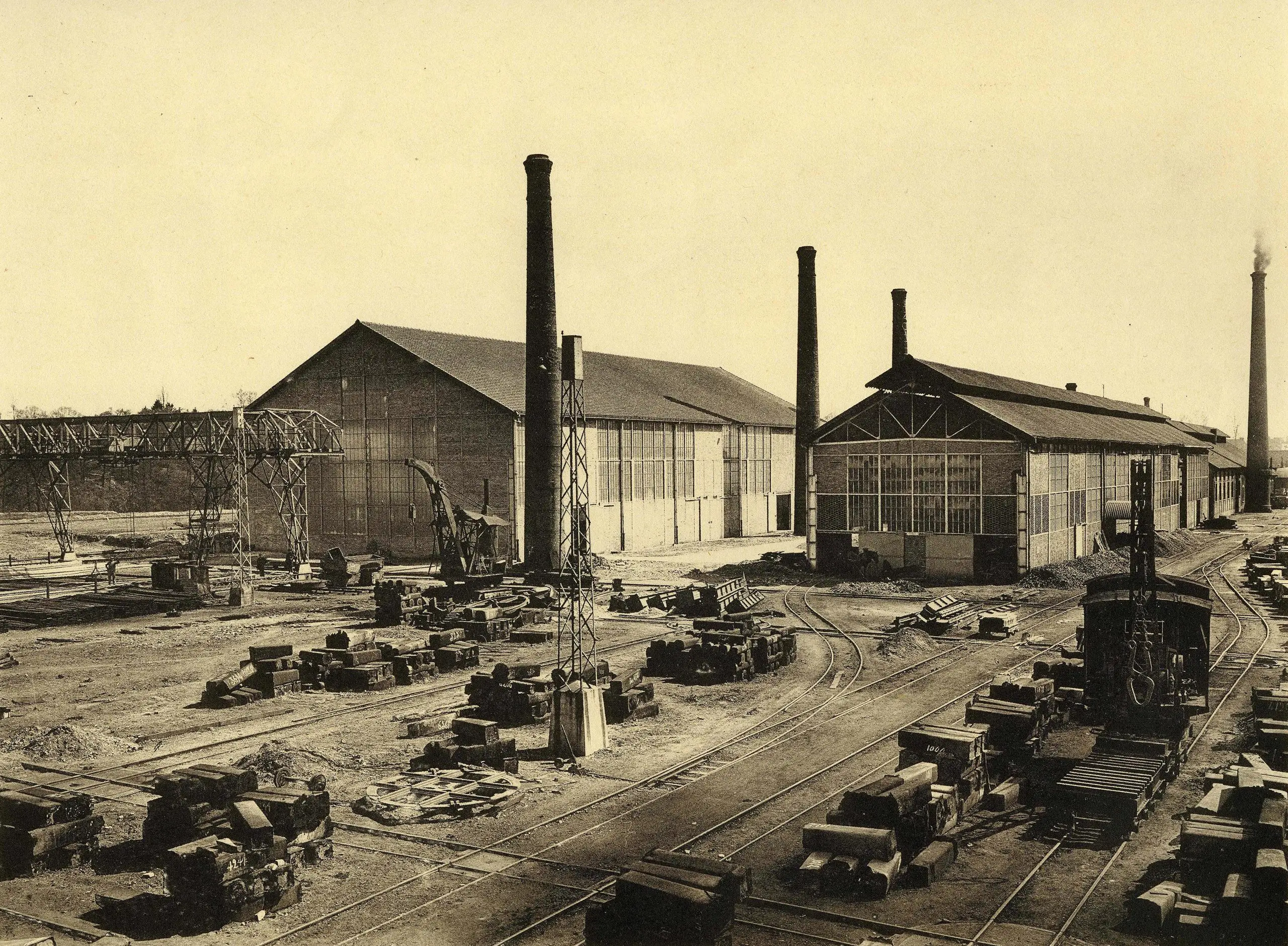
1928 – General view – Tunnel oven
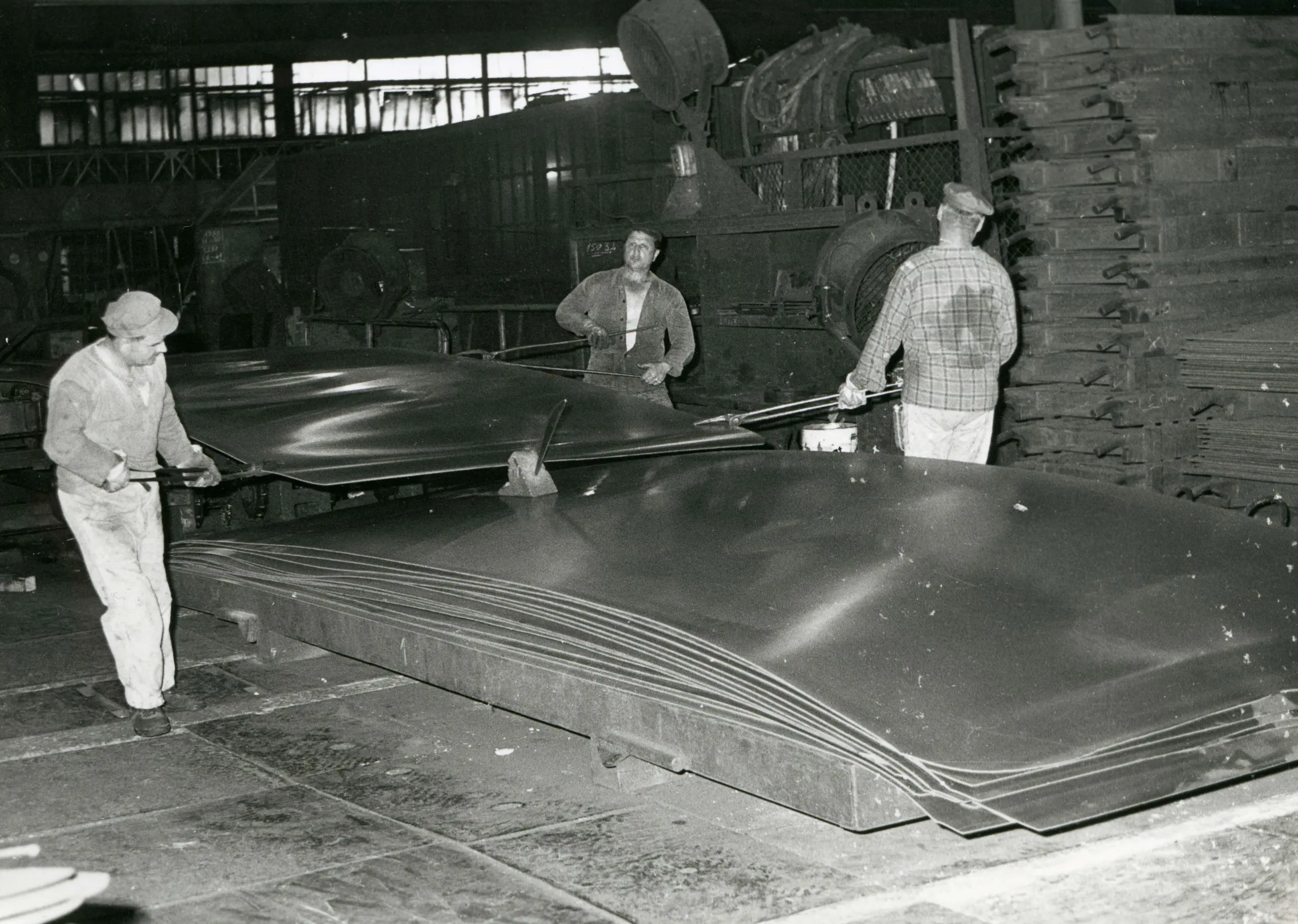
1950s-1970s – Hot Rolling
The plant officially began production in 1728 with a small team of about ten employees and an output of 1,000 tonnes. Its first major evolution came in 1845 with its acquisition by Pierre Joseph Campionnet, a master of forges who played a key role in the plant’s development in the 19th century. Over the following decades, the company became known as “Les Forges de Gueugnon”.
The 1930s saw the beginning of the development of stainless and special sheets, a production that underwent a radical change in 1955 with the arrival of cold rolling in coils thanks to the Sendzimir mill. The workforce increased and the plant specialized further with the development of bright annealing, which eventually led to its recognition as a world leader in stainless steel transformation, earning it the title of the “world capital of stainless steel” for a time.
The Arrival and Impact of Aperam
The site entered a new era in 2006 with the creation of ArcelorMittal, formed from the merger of Arcelor and Mittal Steel. In 2011, ArcelorMittal spun off its stainless steel business to create a new, independent company: Aperam.
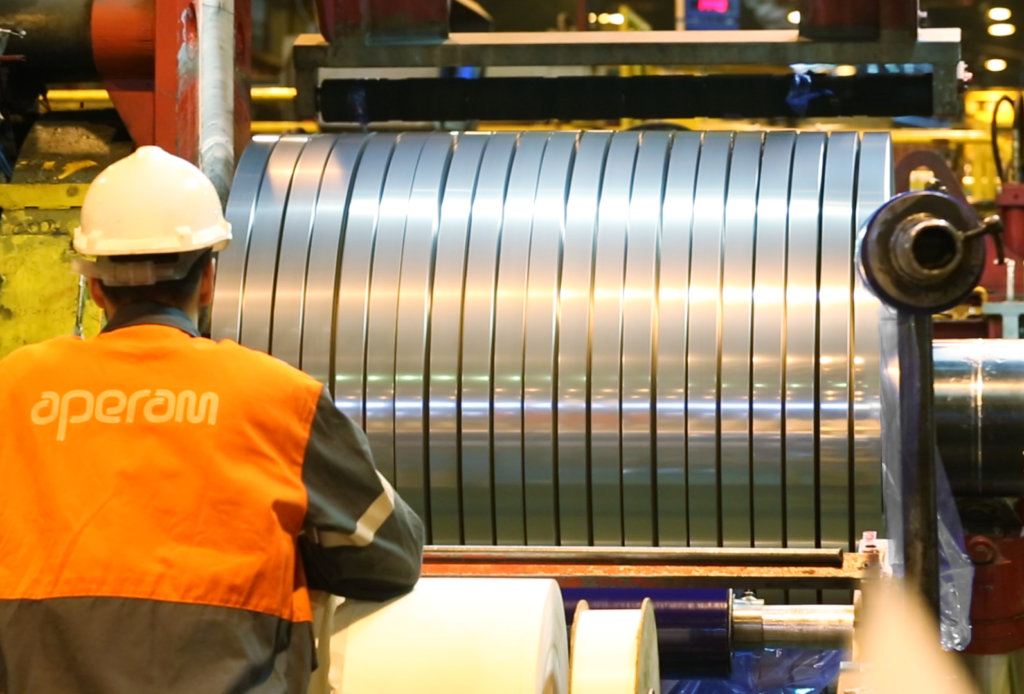
Since becoming part of the Aperam group, the Gueugnon site has continued to adapt by building on its legacy of innovation. Aperam has enabled the plant to position itself in new markets by investing to become a modern facility that transforms stainless steel into coils, sheets, and discs. By maintaining these investments, Aperam has demonstrated its commitment to ensuring the site’s future and positioning it as a key player in the industry.
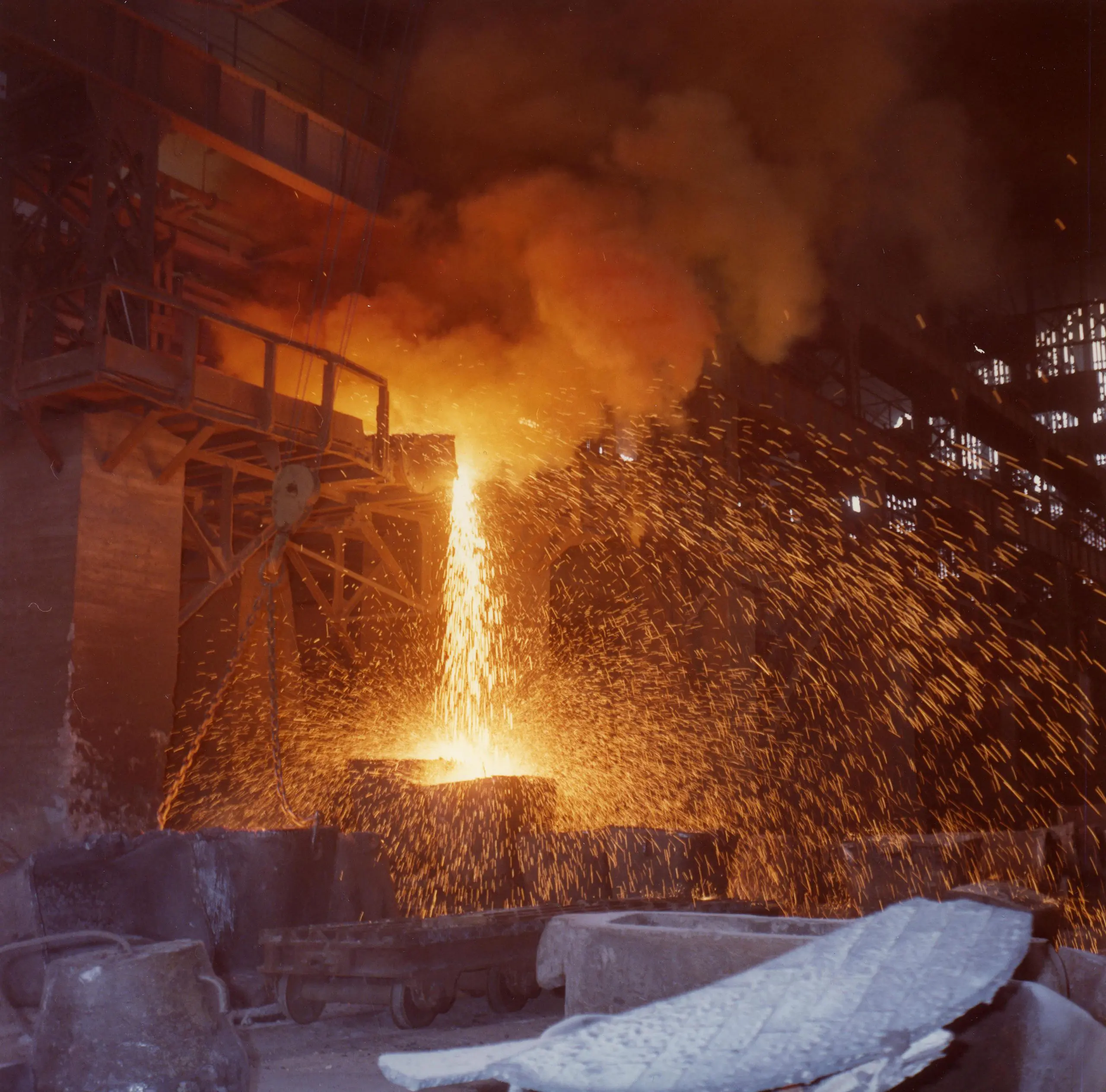
1975 – Steelworks – Martin Furnace – Last pour
1900s – “Pickling Line”
Evolution of a Modern Industrial Site
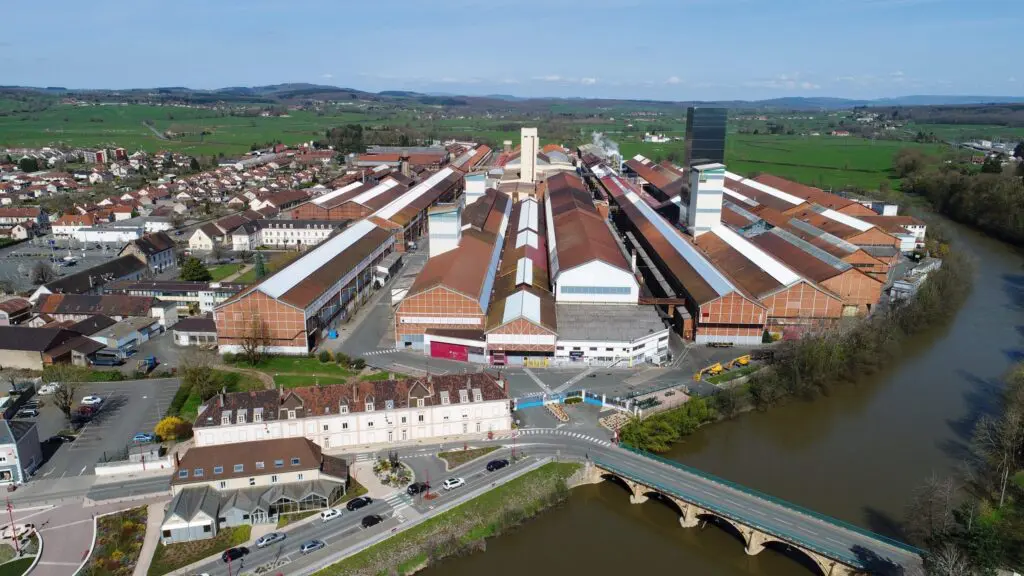
The Gueugnon plant has grown from a few hundred square meters to a sprawling 33-hectare site today. By 1974, production had climbed to 200,000 tonnes, reaching 240,000 tonnes in 2023. Its products are used in various sectors, including household appliances, professional kitchen equipment, automotive, cutlery, and construction.
The company’s history is closely intertwined with that of the city and region of Gueugnon. As one of the largest employers in the department, “Les Forges” played a pivotal role in the expansion of the city and its principal neighborhoods, as well as in promoting local sports and community life.
Celebrating 300 Years
To commemorate this major milestone, a group of Aperam Gueugnon employees organized two photographic exhibitions to trace its 300-year history. The first exhibition, on display all summer on the Quai de l’Arroux, featured a historical timeline, photos of the plant’s evolution from the construction of the Grand Pont of Gueugnon in 1784 to the present day, and photos of workers who have received labor medals since 1950.
The second exhibition, presented in a room at the Château d’Aux, revisited the highlights of the 20th century with an exhibition of photos of the site’s key tools as well as numerous photos of personnel from the 1980s to the present. A film with images from the 1950s to the present concluded the visit.
Furthermore, the city of Gueugnon hosted a symposium on inox sculptures, a tradition that began in 1987 when Gueugnon invited recognized sculptors to create 19 monumental works of art. Most of these sculptures are now located in the Château d’Aux park, which serves as an open-air contemporary art museum.
The “Journées Découverte 300 ans” event offers a guided tour of the stainless steel production process, an exploration of the historical hub “Centrale 100”. In parallel, the city of Gueugnon is organizing a 21-stage city and heritage tour, and an exhibition titled “Under the Eye of the Campionnets,” which showcases vintage postcards and the history of industrial paternalism.

 5,44%
5,44%